
Our History

We are proud of our rich history of supporting people with disability and working closely with local communities in Melbourne.

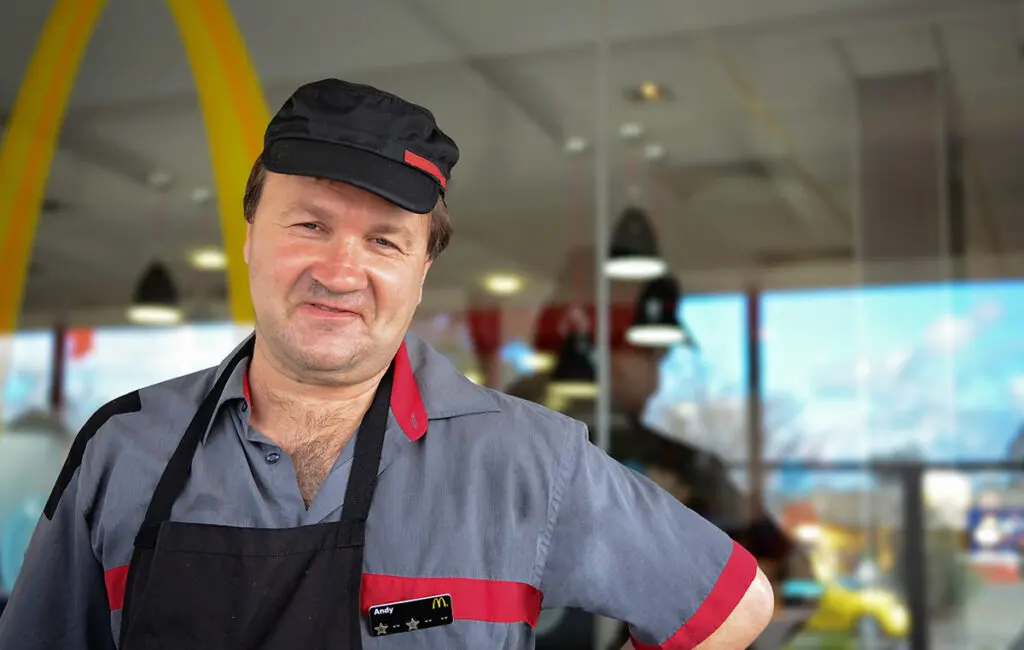
Man in McDonald's uniform and cap smiling, name badge reads Andy, golden arches visible behind

55+ Years Strong

For over 55 years, The Bridge has supported people of all abilities to live with independence, purpose and connection. What began in 1970 as a community-led initiative in Springvale has grown into a leading not-for-profit organisation delivering services across 24 locations throughout Melbourne.

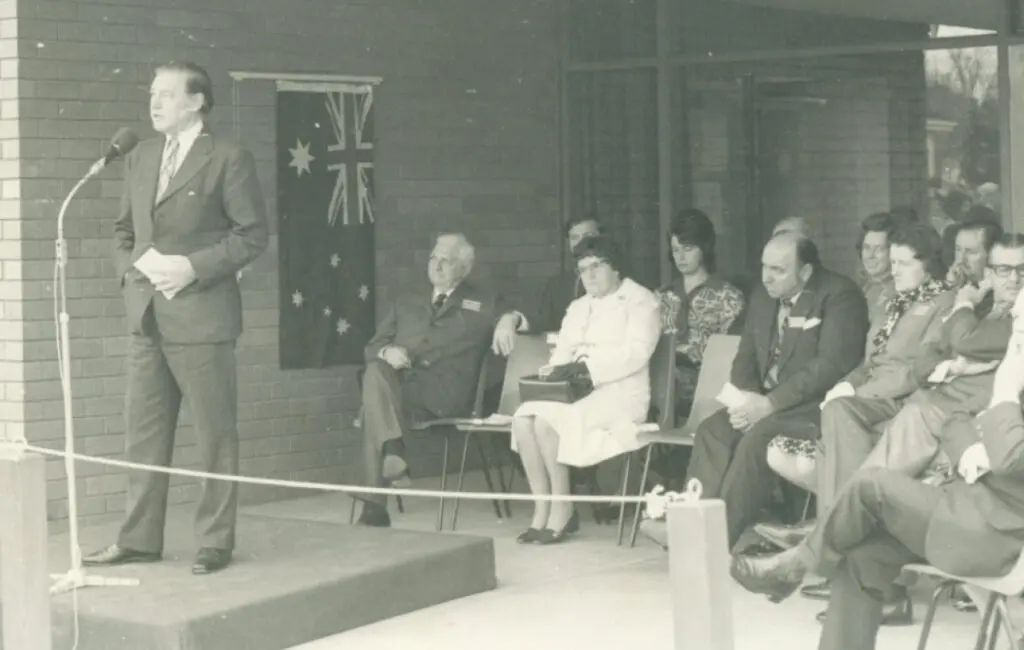
Man in suit speaking at microphone on small stage, seated audience listening, Australian flag on brick wall behind, black and white photo
1970
Man in suit speaking at microphone on small stage, seated audience listening, Australian flag on brick wall behind, black and white photo

A Strong Beginning

On 20th October 1970, a dedicated group including local parents, councilors, and City of Springvale staff gathered at City Hall to create a centre for people with disability. With support from the City of Springvale, land was secured in Noble Park, and fundraising groups like the Springvale Jaycees, Ladies’ Auxiliary, and Apex Club brought their vision to life. Their efforts resulted in the Day Training Centre opening in 1974, led by Principal Margaret McDonald and a team of five, welcoming 18 children to activities such as swimming, cooking, music, and creative play. The school grew, added respite care for infants, and by 1977 transitioned to the Department of Education, continuing today as Springvale Park Special Developmental School.
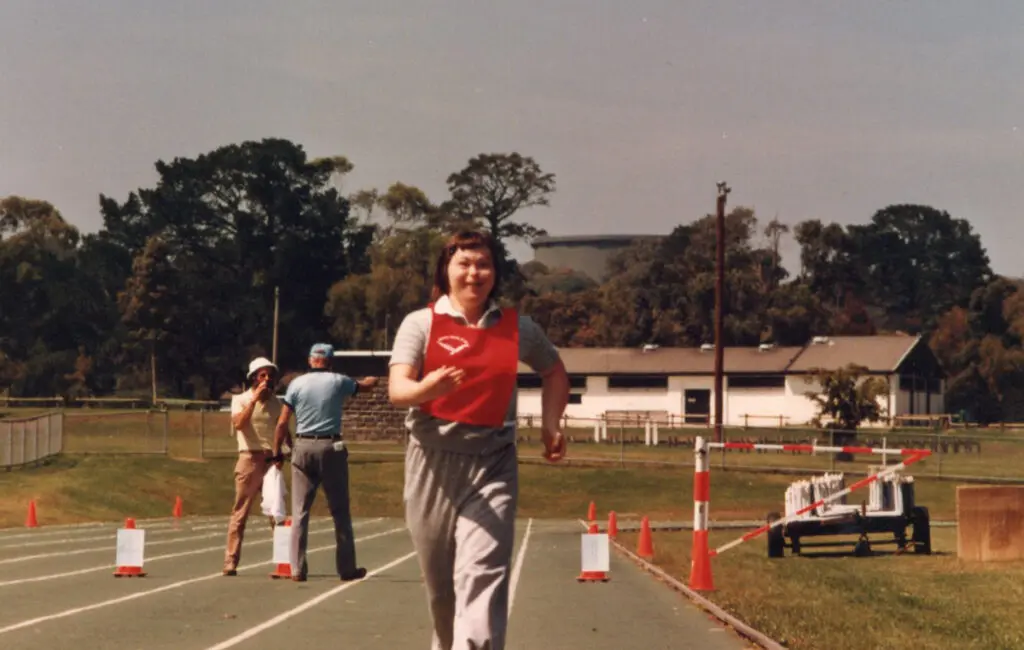
Woman running on a track wearing a red bib, smiling, with two officials and cones nearby.
1980
Woman running on a track wearing a red bib, smiling, with two officials and cones nearby.

Consolidation & Development

Throughout the 1980s, The Bridge expanded with the opening of the Adult Unit in 1982, developing programs with families that offered interstate trips, night classes and sports, as well as employment opportunities where participants learned manual, clerical and retail skills. Community and parent involvement remained vital, supporting fundraising efforts and activities beyond what government grants provided. The Bridge also championed participatory practice by forming a Centre Council in 1983 to give participants a voice, which grew stronger through initiatives like ‘Speaking Out’ and the participant-only Workers Committee, with dedicated representation on the Committee of Management. This era also saw a focus on individual planning and entrepreneurial employment programs, engaging industry clients in ‘open industry’ opportunities.

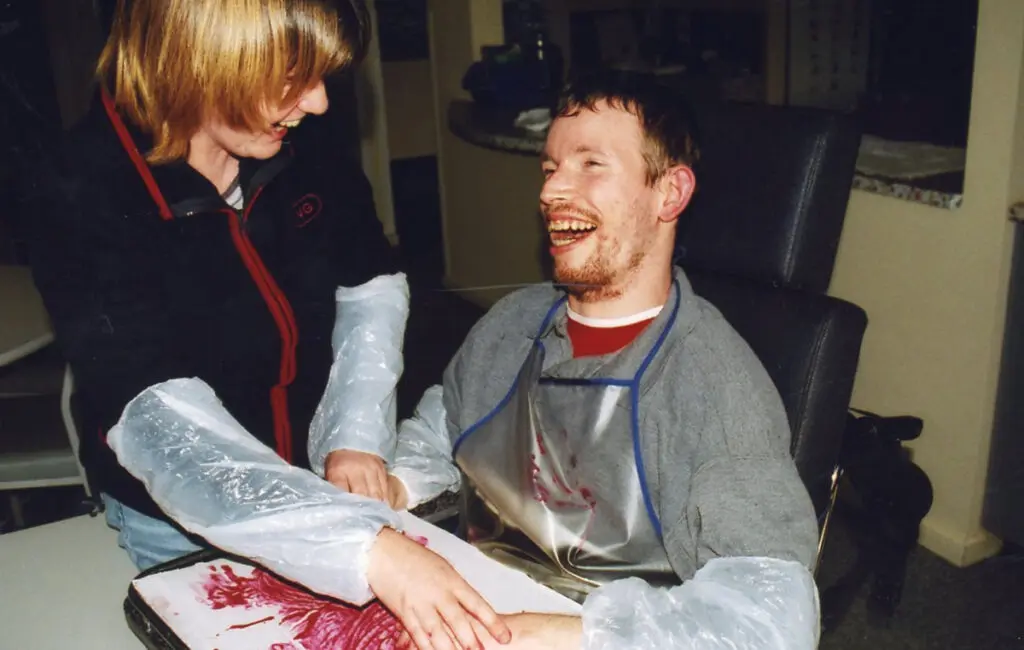
Man in wheelchair laughing while making arm paint art with support worker, both wearing plastic sleeves
1990
Man in wheelchair laughing while making arm paint art with support worker, both wearing plastic sleeves

An Era of Expansion

The 1990s marked a significant period of growth for The Bridge, with the expansion of its open employment program and recognition of partner Kenman Kandy, who won the Prime Minister’s Employer of the Year Award in 1995. This era was shaped by a sector-wide move towards deinstitutionalisation and person-centred practice, enabling The Bridge to support participants with more complex needs, including those relocating from institutions. In 1996, a strategic merger with Westernport Adult Service Providers, encouraged by the Committee of Management, led to the formation of South Eastern Disability Services, further strengthening community programs like Leisure Link Up and expanding service provision across the region.

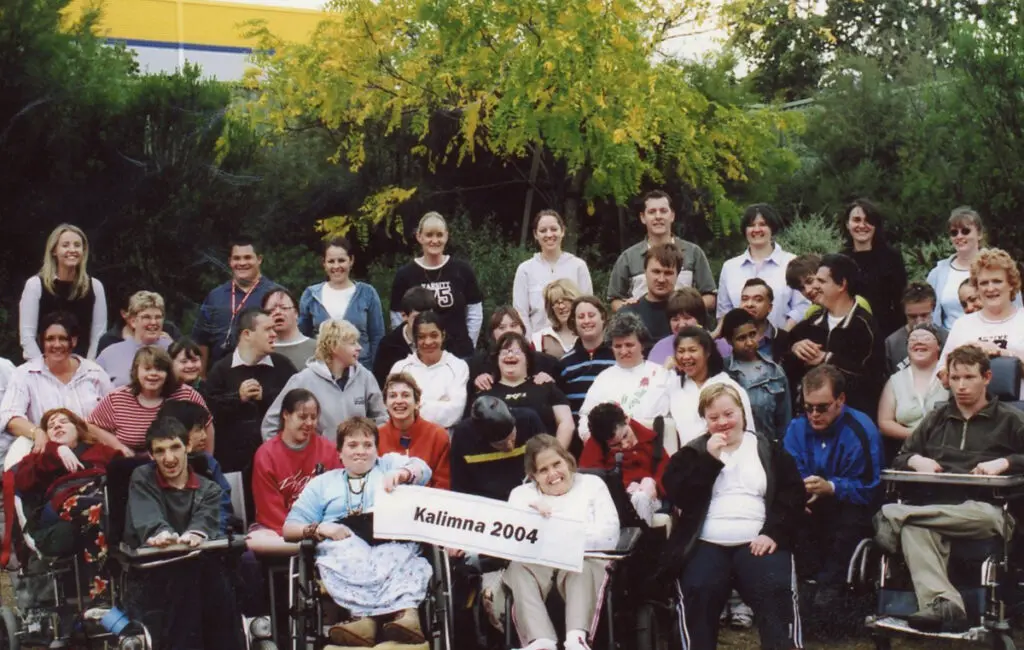
Large group photo outdoors, some in wheelchairs, holding a sign reading 'Kalimna 2004'
2000
Large group photo outdoors, some in wheelchairs, holding a sign reading 'Kalimna 2004'

Growth & Change

In the 2000s, The Bridge experienced significant growth and change, marked by the opening of the Kalimna Training and Community Support Service in Narre Warren, expansion of employment and community programs, and increased support through Disability Employment Services (DES). This period coincided with major state and federal reforms, including the Victorian Disability Services Plan (2002–2012) and the Disability Services Act 2006, which emphasised flexible, person-centred support and introduced new quality standards.

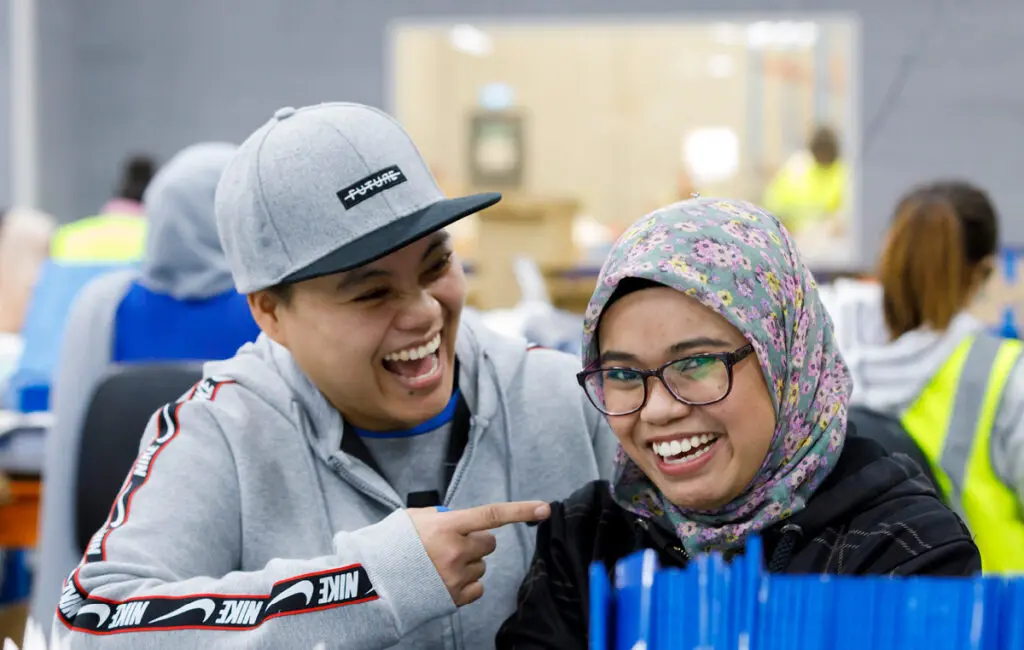
Two smiling workers at a table, one in a cap pointing, the other wearing a floral hijab and glasses, in a workshop.
2010
Two smiling workers at a table, one in a cap pointing, the other wearing a floral hijab and glasses, in a workshop.

A Time of Transition

Over the years, the organisation has operated under several names, including UrimbirraSouth Eastern Disability Services, and Options Victoria. By 2013, its programs were widely recognised throughout Melbourne’s southeastern suburbs, with employment services known as Paramount and a range of support services provided through Kalimna, Urimbirra, and The Hub. Leisure Link Up offered sport, active recreation, and community events. In 2013, all these services were unified under a single name, The Bridge, creating a lasting connection between its vision, mission, purpose, values and the services that brought them to life. The community marked this milestone with a major launch event in December of that year. 

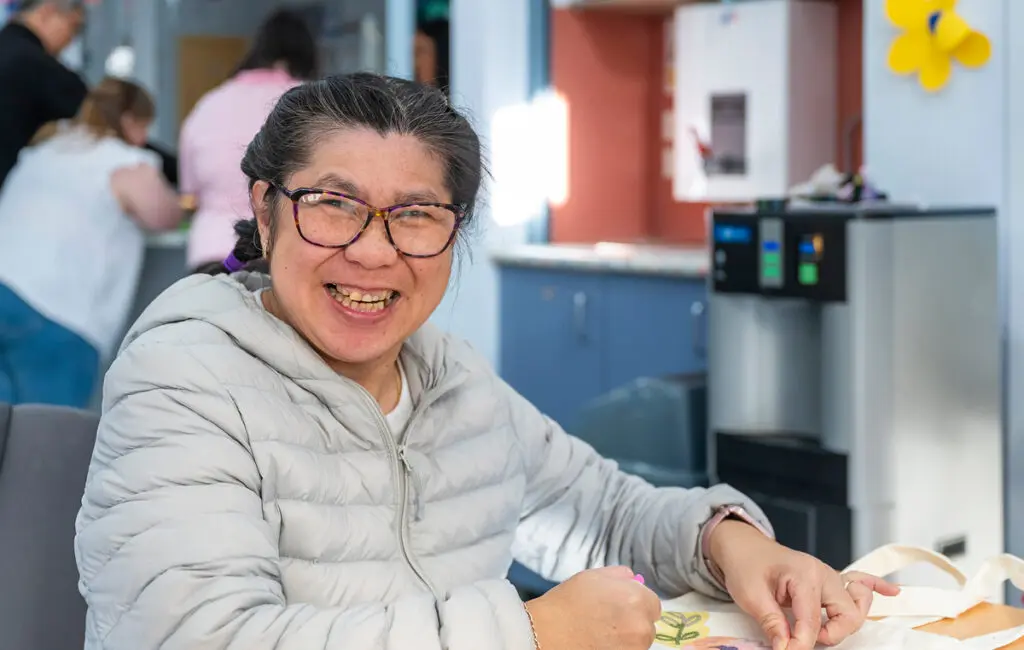
Woman in glasses and grey jacket smiles at camera while decorating a tote bag at a community craft table.
2020 – Present
Woman in glasses and grey jacket smiles at camera while decorating a tote bag at a community craft table.

Present: Diversity & New Horizons

Over the years, The Bridge has grown into a diverse organisation offering supports for individuals and groups, activities after hours and on weekends, NDIS support coordination, open employment services, transition and skill building programs for youth, support for the disadvantaged and long-term unemployed, and modern supported employment through The Bridge Works. The former Noble Park site, Urimbirra, is now the Gould Circuit housing development which includes our accessible SDA homes for NDIS participants. The Bridge remains committed to strong governance, financial responsibility, collaboration, and its vision of a connected society where people of all abilities achieve their full potential.